
Maldives Central Atolls Liveaboard
A classic Maldives liveaboard route through North Malé, Rasdhoo, Ari, Vaavu, and South Malé, with overwhelming pelagic action, manta encounters, shark dives, wrecks, thilas, and channels that reward wide-angle photographers at almost every turn.
◎
Maldives Central Atolls overall score
A field assessment based on photographic opportunity, pelagic encounters, reef variety, marine abundance, and the overall underwater value of a Central Atolls Maldives liveaboard.
6/10
There are good small-subject opportunities on reefs, wrecks, and thilas, but the Maldives is not a pure macro destination. The strongest photographic value comes from wide-angle scenes, animal encounters, and water-column movement.
12/10
The sheer abundance of pelagics, sharks, mantas, rays, schooling fish, wrecks, channels, and blue-water encounters makes the Central Atolls one of the most rewarding wide-angle itineraries I have experienced.
9/10
The route offers a broad mix of thilas, kandus, wrecks, cleaning stations, reef slopes, night dives, manta encounters, shark channels, and current-driven fish life across several central atolls.
9/10
Fish life can feel overwhelming in the best possible way. Grey reef sharks, whitetips, eagle rays, mantas, turtles, schooling snapper, jacks, fusiliers, and reef fish all contribute to the sense of constant motion.
8/10
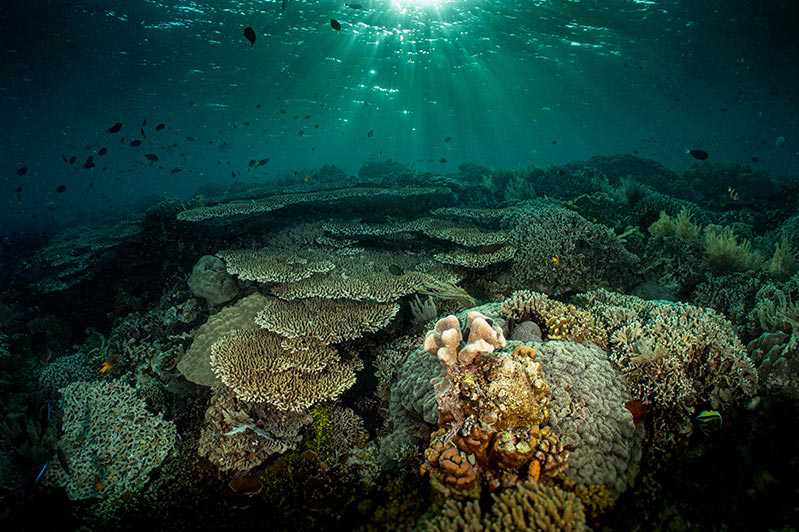
Some reefs are genuinely impressive and can feel close to Raja Ampat-level quality in places, while others still show the effects of pressure, bleaching, and heavy tourism. The destination remains excellent, but uneven.
🧭 Advanced
Best for divers with good buoyancy, comfort in current, drift-diving confidence, repetitive dive fitness, and enough experience to manage blue-water ascents, reef hooks where permitted, SMB deployment, and changing ocean conditions.
Beginner
Advanced
Expert
Master
The Maldives liveaboard route that delivers the classic experience
The Maldives Central Atolls route is the itinerary many divers picture when they think of a Maldives liveaboard: manta rays, reef sharks, channels, thilas, wrecks, cleaning stations, blue water, sand, current, and an almost constant sense that something large could appear at any moment.
This was not a Northern Atolls or Deep South itinerary. It was a Central Atolls trip moving through the core liveaboard circuit around North Malé, Rasdhoo, Ari, Vaavu, and South Malé. That matters because the character is different. The Central Atolls are not the most remote Maldives diving, but they are incredibly efficient. You cover a lot of underwater variety in a compact amount of time.
The appeal is not only one animal or one site. The strength of this itinerary is accumulation. A manta cleaning station one day, a shark channel the next, a wreck, then a thila, then a night dive under a jetty, then another reef with more fish than you can properly process.
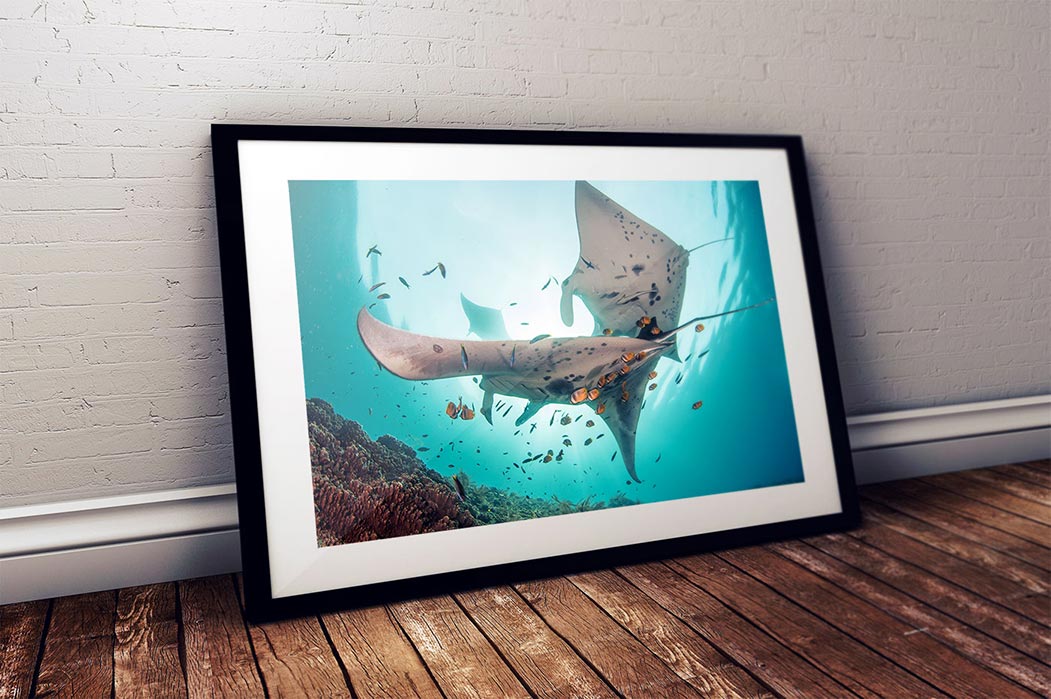
For photographers, this is one of the clearest reasons to choose a Maldives Central Atolls liveaboard. It gives you repeated chances to work with large animals, strong movement, current, negative space, schooling fish, and reef structure without needing to change resorts or transfer between islands on your own.
A destination built for wide-angle ambition
If Bangka is about balance and Raja Ampat is about reef complexity, the Maldives Central Atolls are about scale, motion, and abundance. This is a wide-angle destination first. It rewards photographers who are ready for big subjects, fast decisions, current, and moments that can appear and disappear quickly.
The most obvious strength is pelagic life. Mantas, eagle rays, reef sharks, whitetips, schooling fish, and the possibility of larger encounters create the kind of photographic tension that keeps you alert for the entire dive.
That is why the wide-angle score is intentionally above the usual scale. The Maldives can overwhelm you with opportunity. The challenge is not finding something to photograph. The challenge is staying composed enough to build a strong frame when the water is full of movement.
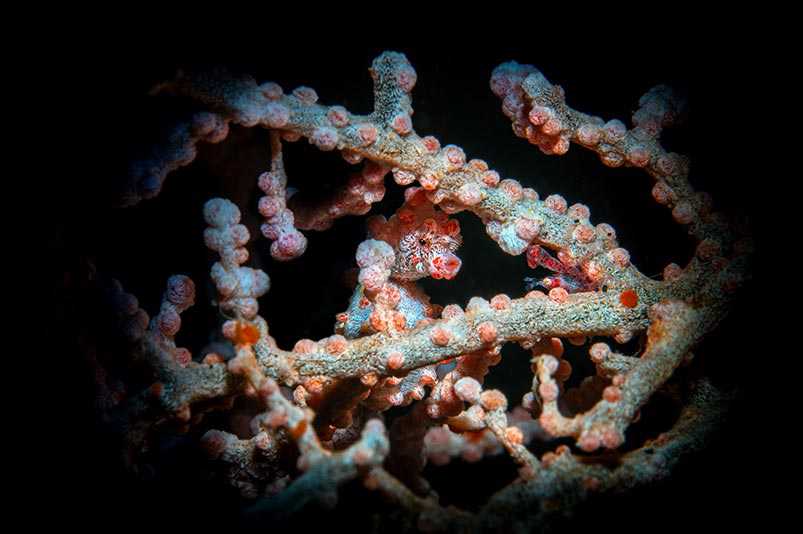
Macro is present but secondary. There are nudibranchs, reef details, smaller fish, and occasional critter opportunities, especially around wrecks, reef edges, and quieter thilas, but this is not Lembeh. Bring the wide lens. Bring strobes that can cover a large scene. Be ready to shoot into blue water.
The dives that define this Central Atolls route
Blue water, sharks, and big-scene possibility
Rasdhoo Madivaru is one of the most important wide-angle sites on this itinerary. It has the right ingredients: channel energy, blue-water edges, shark potential, eagle rays, schooling fish, and the sense that the best part of the dive may happen away from the reef.
One of Ari Atoll’s classic shark dives
Fish Head, also known as Mushimasmingili Thila or Shark Point, is one of the classic Maldives dive sites. Expect reef sharks, schooling fish, strong reef life, and the kind of pinnacle structure that gives photographers multiple angles to work with.
Current, rays, and channel drama
Moofushi Kandu is the kind of site that reminds you why channel diving matters in the Maldives. Current brings life. When the conditions align, rays, sharks, fusiliers, and reef movement can turn the entire dive into a wide-angle sequence.
Ari colour, reef life, and dense fish action
Kuda Rah Thila is a strong Ari Atoll site with a more intimate reef feel than the bigger channel dives. It can be excellent for schooling fish, coral detail, and layered compositions where the reef and water column both matter.
A night dive built around movement
Alimatha Jetty is one of the Maldives’ more unusual night dives, known for nurse sharks, rays, and fish movement around the lights and structure. It is not subtle, but it is memorable, and it delivers a very different kind of photographic experience.
South Malé’s high-energy wide-angle site
Kandooma Thila is one of the most photogenic dives in South Malé when the current is right. Sharks, schooling fish, soft corals, turtles, and a long thila structure make it a natural final-act site on a Central Atolls itinerary.
Shark action and a strong channel finish
Cocoa Corner sits in the South Malé rhythm of current, channels, and big-fish potential. It is a site where positioning matters, and where photographers should be ready for reef sharks, schooling fish, and strong movement through the pass.
Structure, atmosphere, and night potential
Fesdhoo Wreck adds a different texture to the itinerary. It gives photographers shape, structure, and atmosphere, with the possibility of rays, fish life, and more creative compositions around metal, shadow, and open water.
Colour, overhangs, and reef detail
Maalhos Thila is a good contrast to the bigger pelagic dives. It can offer reef colour, overhangs, smaller subjects, and a slower photographic rhythm, giving the itinerary more variety than sharks and rays alone.
Spirit of Maldives
Spirit of Maldives was the liveaboard base for this Central Atolls trip. For this kind of itinerary, a liveaboard makes far more sense than trying to recreate the same route from resorts. The value is mobility. You wake up close to the next site, move between atolls efficiently, and let the boat do the logistical work while you focus on diving.
The Central Atolls route is especially well suited to this format because many of the best dives are spread across different atolls. North Malé, Rasdhoo, Ari, Vaavu, and South Malé each bring a different underwater character, and a liveaboard allows those contrasts to become part of one continuous experience.
The boat-and-dhoni rhythm also matters. On a Maldives liveaboard, the support vessel is not a small detail. It helps with diver pickup, site access, camera handling, and the daily flow between dives, which is especially useful when currents, channels, and blue-water ascents are part of the trip.
The best liveaboard trips create a rhythm that is hard to replicate on land: dive, eat, rest, review images, move, dive again. For underwater photographers, that rhythm matters. It gives you time to adjust settings, think about what worked, and prepare for the next opportunity.
Getting there
The usual entry point for a Maldives Central Atolls liveaboard is Velana International Airport in Malé. One of the advantages of this itinerary is that it starts and ends close to the country’s main international gateway, which keeps transfers relatively straightforward compared with more remote Maldives routes.
For most travellers, the process is simple: fly into Malé, meet the liveaboard team or transfer representative, and board the vessel or dhoni depending on the operator’s process. Because liveaboard departure timing can be unforgiving, arriving a day early is often the safer choice if your international routing is long or involves tight connections.
The Central Atolls route is also a practical first Maldives liveaboard because it does not require a domestic flight to the far north or deep south. That makes it efficient for divers who want maximum underwater value without adding extra travel complexity.
Season matters, but the Maldives always has tradeoffs
The Maldives can be dived year-round, but the Central Atolls change character with the monsoons. Conditions, current, visibility, and animal movement can all shift depending on season, which is part of what makes local guide knowledge and liveaboard planning so important.
The northeast monsoon, roughly from December through April, is often associated with calmer seas and stronger visibility on the eastern side of the atolls. The southwest monsoon, roughly from May through November, can bring more plankton and different manta patterns, along with more variable surface conditions.
This trip ran from late November into early December, which sits near a seasonal transition. That timing can be extremely productive because plankton, current, and animal movement may all overlap. It also means conditions can vary site by site, which is why a flexible itinerary and experienced dive team matter.
A strong fit for wide-angle photographers and divers who want the classic Maldives
This trip is best suited to divers who want pelagic life, wide-angle opportunity, and the feeling of moving through several atolls in one continuous journey. It is a strong fit for underwater photographers who want sharks, mantas, rays, schooling fish, wrecks, and reef structure more than they want slow macro hunting.
It also suits divers who enjoy liveaboard rhythm. There is a certain simplicity to it: dive, eat, rest, move, repeat. That rhythm helps you stay close to the water and gives the trip a sense of immersion that resort-based diving often cannot match.
If you want pristine reef on every single dive, the Maldives can be uneven. Some sites are beautiful and full of life. Others show the pressure of tourism, coral stress, or heavy use. But if your measure is action, abundance, pelagic encounters, and wide-angle photographic potential, the Central Atolls are exceptional.
A destination of abundance, but not without pressure
The Maldives can create the impression of endless ocean health because the animal encounters are so strong. But the reality is more complicated. Some reefs remain vibrant, fish-filled, and structurally impressive. Others show the cumulative pressure of warming events, tourism, development, and repeated diver traffic.
That contrast is important. The best sites can be spectacular, and at times the reef life and fish abundance can feel close to the very best tropical destinations in the world. But the destination is not immune to stress. A good Maldives dive trip should leave you impressed, but also aware that this level of abundance needs protection.
For divers and photographers, that means choosing responsible operators, diving with care around cleaning stations and channels, respecting guide instructions, and remembering that big-animal encounters are only meaningful if the systems that support them remain healthy.
Images from the trip
Want to experience this destination more deeply?
Explore upcoming trips or view a curated gallery of digital prints inspired by this destination.