
Bonaire
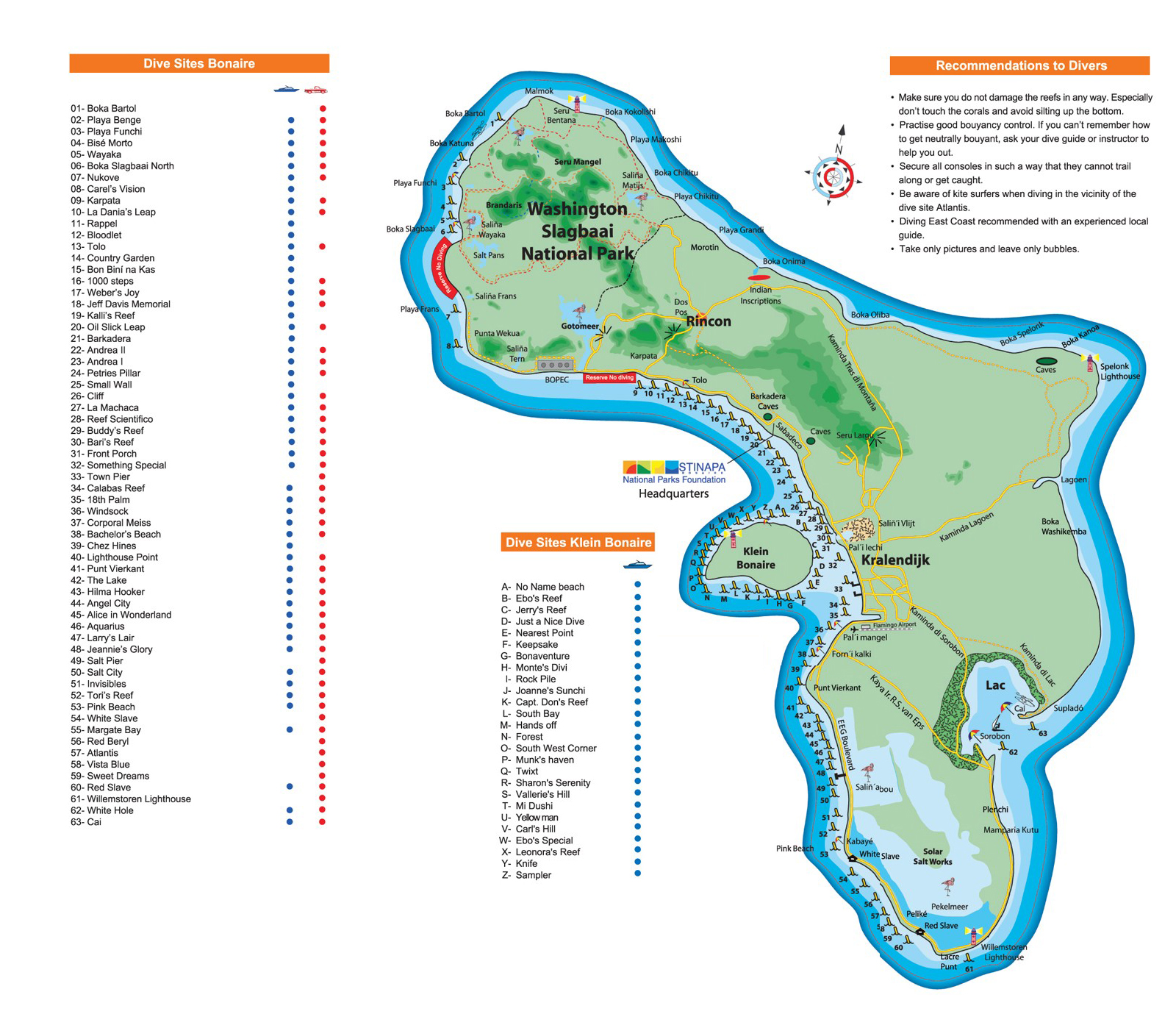
Bonaire is the easiest diving I have done. Shore diving, simple logistics, calm western-coast conditions, healthy reef structure, and complete control over your own schedule make it one of the most reliable dive destinations in the Caribbean.
◎
Bonaire overall score
A field assessment based on photographic opportunity, diving freedom, reef health, logistics, accessibility, and overall underwater value.
7/10
Bonaire is not the most intense macro destination in the Caribbean, but it is rewarding, accessible, and productive enough that photographers can reliably come home with good small-subject work.
7/10
Wide-angle here is solid rather than spectacular. Reef scenes, turtles, schooling fish, pier structures, and Klein Bonaire boat dives all give you enough variety to keep a trip visually interesting.
7/10
The combination of easy shore access, broad site count, reef fish life, coral cover, wrecks, piers, and Klein Bonaire options gives Bonaire very good overall variety.
8/10
Bonaire is not a sensory-overload destination in the way some current-fed systems are, but it consistently offers enough life, enough reef quality, and enough repeatable value to satisfy most divers.
9/10
The long-standing marine protection around Bonaire is one of the main reasons the island still feels so dependable underwater. That stewardship is a major part of the destination’s appeal.
🤿 Beginner
Best for newer certified divers, independent buddy teams, and photographers who want simple entries, shallow reef profiles, little current on the main west-coast sites, easy navigation, and the freedom to build confidence at their own pace.
Beginner
Advanced
Expert
Master
One of the easiest places in the world to build a dive trip exactly the way you want it
The core appeal of Bonaire diving is freedom. You are not forced into a rigid boat schedule three times a day. You are not waiting on a crowded operation to tell you when to dive, when to surface, and when the day is over. Bonaire gives you a truck, tanks, marked shore entries, and the chance to build your own rhythm.
That matters more than many divers realize. It changes the mood of the whole trip. You can wake up slowly, do a sunrise dive, take a long breakfast, head south for an afternoon site, then go back out for a night dive if the energy is still there. Very few destinations make that kind of freedom this easy.
For me, Bonaire is the easiest diving I have done. That does not mean it is boring. It means the barriers are low, the logistics are simple, and the island has been built around divers who want to control their own day.
That is why Bonaire keeps its reputation. It is not only the reef. It is the way the island has been structured around independent, repeatable, low-friction diving.
Bonaire rewards photographers who like consistency, repetition, and time in the water
Bonaire is strong for photographers because it gives you repeat access. You can go back to the same site in different light. You can spend longer with a subject. You can return at dusk or after dark. That kind of freedom matters more for making good images than many people think.
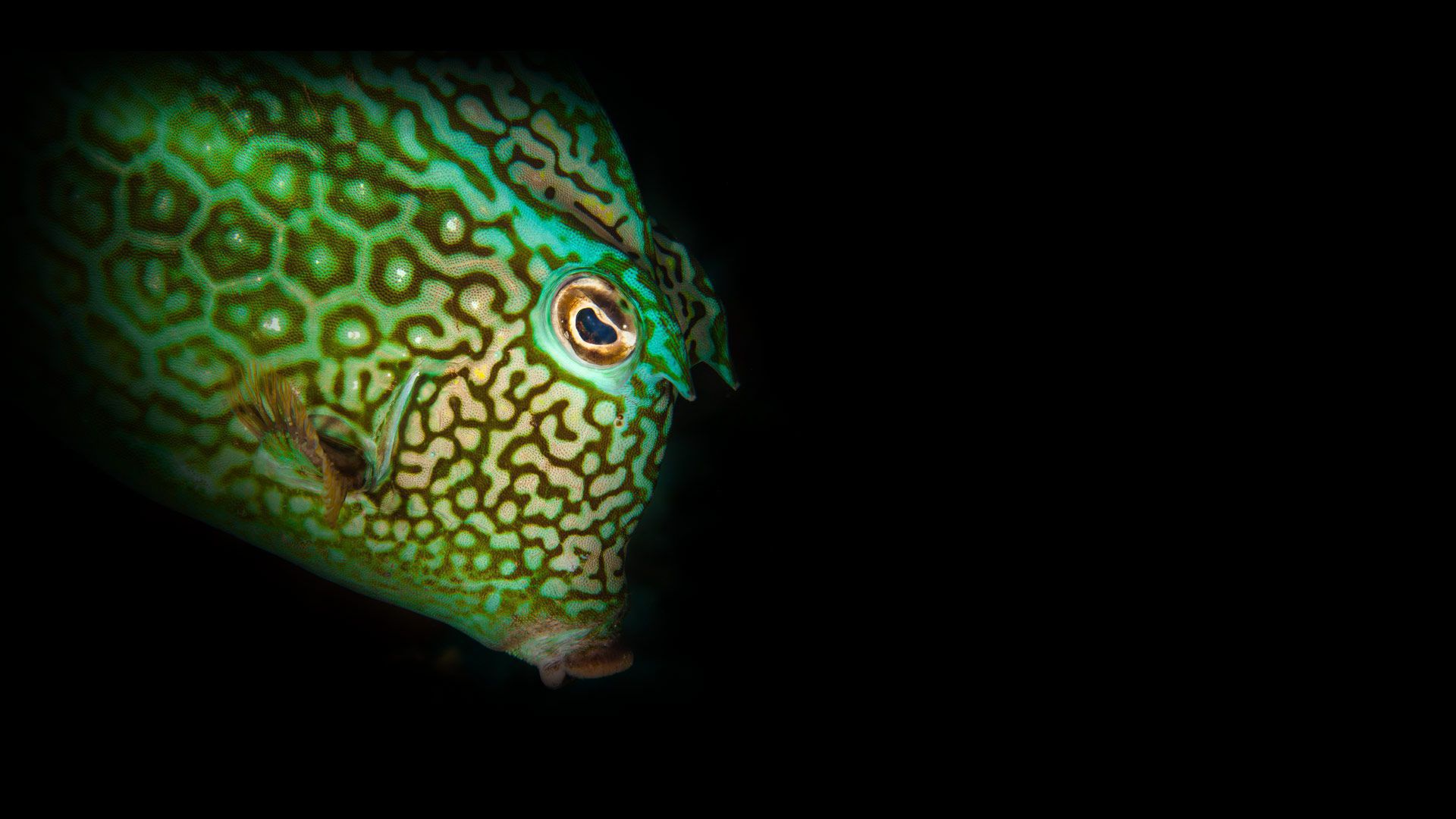
Macro photography is one of the island’s strengths. Frogfish, seahorses, reef life, and plenty of smaller subjects give photographers enough opportunity to stay engaged all week. Wide-angle is less dramatic than some destinations, but still useful, especially on healthier reef sections, around turtles, on pier dives, or on boat dives to Klein Bonaire.
This is not really about giant pelagic spectacle. It is about ease, control, and the ability to stack a lot of decent to very good dives in a short period of time.
For many photographers, that ends up being extremely productive. Bonaire lets you practice, repeat, adjust, and improve without turning every dive into a logistics exercise.
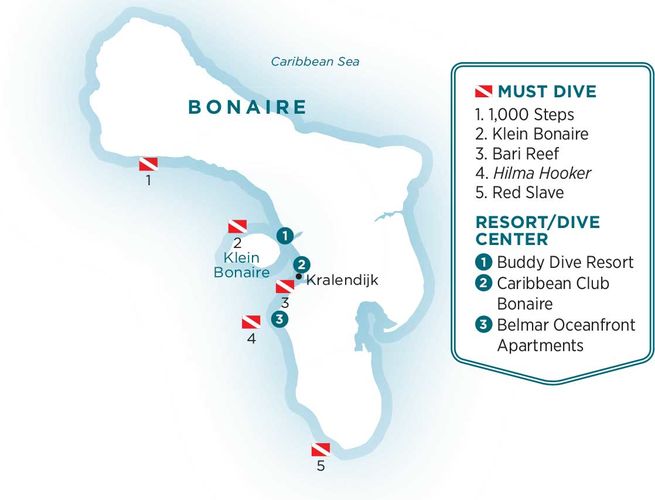
The dives that define Bonaire
The classic Bonaire shore dive
One of the island’s best-known entries and still one of the easiest ways to understand the appeal of Bonaire’s accessible shore diving model. The steps make the exit feel longer than the entry, but the dive itself is simple, scenic, and dependable.
Easy, repeatable, and ideal for freedom diving
A perfect example of Bonaire’s value proposition. Convenient access, reliable reef life, and the kind of site you can dive repeatedly without stress.
One of the island’s most photogenic dives
The structure, the light, and the encrusting life make this one of Bonaire’s most recognizable underwater scenes. It is one of the best options when you want something more architectural than a standard reef slope.
Night diving and photography character
Still one of Bonaire’s most iconic image-making locations when access is available, especially for photographers who enjoy structure, shadow, artificial-light mood, and small details on pier pilings.
Boat diving that improves the trip
Adding a few dives to Klein Bonaire is worth it. It gives the week a wider range and helps keep the overall trip from becoming too shore-dive repetitive.
Accessible, fish-rich, and dependable
A Bonaire favourite for good reason. It is easy to reach, easy to enjoy, and a strong reminder that the island’s strength is reliability.
Coral Paradise or Buddy Dive, depending on how you want to structure the trip
Coral Paradise works well for divers who want a quieter, more apartment-style base with kitchen access, truck-based independence, and flexible package options. It suits people who want to run the trip on their own terms and not feel locked into a resort rhythm.
Buddy Dive is the more complete dive-resort setup. It leans into the drive-and-dive model with unlimited shore diving, truck access, tank logistics, breakfast, and optional boat diving to Klein Bonaire and beyond.
If I were framing the choice simply, Coral Paradise is a strong fit for divers who want a more self-directed stay with good value, while Buddy Dive is the better fit for divers who want a fuller dive-resort operation with more built-in convenience.
The beauty of Bonaire is how little friction there is
Bonaire is one of the simplest Caribbean dive trips to plan. You fly in, rent a truck, grab tanks, and the island starts working for you very quickly. That low-friction setup is one of the main reasons people return.
The best planning advice is simple: book Nitrox, plan at least a few boat dives to Klein Bonaire, and leave enough flexibility in the schedule to take advantage of how easy shore diving is. The destination rewards people who do not overcomplicate it.
This is also one of the best places to build a dive week around your own pace rather than around a rigid operation. That is a major part of the value story.
The only real caveat is independence. Because many dives are self-guided shore dives, you should still be disciplined about site choice, gas planning, entries and exits, surface conditions, and not letting the ease of the destination make you casual.
Bonaire works year round, which is part of why it stays so dependable
One of Bonaire’s strengths is that there is no obvious bad season for diving. It sits south of the main hurricane belt, the weather is relatively steady, and the dive product is less vulnerable to disruption than many Caribbean destinations.
That makes it a strong choice for people who want predictability. You are not travelling there for a narrow two-week window. You are travelling there because the island is consistently useful, consistently accessible, and consistently good value.
If your goal is a simple dive week with lots of water time and very few operational headaches, Bonaire remains one of the safest bets in the region.
Perfect for independent divers, photographers, couples, and repeat Caribbean travellers
Bonaire is ideal for people who like to self-manage their dive days. It is particularly strong for underwater photographers, divers who value shore access, people who want more dives for their money, and travellers who do not need every part of the experience packaged for them.
It is also excellent for buddy pairs and couples who enjoy making their own plan. Rent the truck, load the tanks, choose the site, and go. That model is still one of the most attractive things about the island.
If you want freedom and consistency more than spectacle and luxury, Bonaire does that very well. It is also one of the best destinations I would suggest for divers who want to get better through repetition rather than pressure.
The island’s real advantage is that protection happened early and still matters
Bonaire’s long-term marine protection is not just a nice background detail. It is one of the main reasons the destination still feels so strong underwater. The marine park model gave the island a structural advantage that many other Caribbean destinations never secured.
You can feel that in the reef condition, the consistency from site to site, and the confidence divers have that the product will still be there when they return. That matters more than marketing language ever will.
Bonaire’s reputation was not built only on convenience. It was built on the fact that the island made real decisions to protect the thing people come for in the first place.
Images from the trip
Want to experience this destination more deeply?
Explore upcoming trips or view a curated gallery of digital prints inspired by this destination.