
Lembeh Strait, Indonesia
World famous for macro life for a reason. If your idea of a great dive trip is hunting rare critters, refining your eye, and coming home with images you could not realistically make anywhere else, Lembeh remains the benchmark.
◎
Lembeh overall score
A field assessment based on macro opportunity, subject variety, photographic value, overall dive range, and reef condition.
12/10
Lembeh is the standard against which macro destinations are judged. It is not just excellent. It sits in its own category.
7/10
Wide-angle is not the main reason to come, but reef dives outside the core muck zones can still produce beautiful tropical scenes and give the trip more balance.
10/10
The range of strange, rare, and highly photogenic marine life is extraordinary. Few destinations let you stack this much variety into one trip.
8/10
You do not come to Lembeh for reef-fish overload. You come because the concentration of unusual subjects is consistently high and often surreal.
7/10
Lembeh is a muck-diving destination first. It is not about pristine coral walls everywhere. Its strength is subject density, not polished postcard reef perfection.
🧭 Advanced
Best for divers with strong buoyancy, patient finning, repetitive dive fitness, night-dive comfort, and enough discipline to work close to small subjects without disturbing the sand, substrate, or marine life.
Beginner
Advanced
Expert
Master
A macro photographer’s dream, once you understand what it actually is
Lembeh Strait is one of those places that can surprise people on the first descent. If you arrive expecting classic tropical reef scenery, the black sand, mud, rubble, and sparse-looking terrain can feel underwhelming for about thirty seconds.
Then the dive guide points at a blue-ring octopus, then an emperor shrimp, then a mimic octopus, then a frogfish, and suddenly everything changes. The whole place starts to make sense. Lembeh is not trying to impress you with the surface appearance of the site. It is revealing an entirely different kind of underwater richness.
That is what makes it so addictive. You stop looking for scenery and start looking for life. Once your eye adjusts, the strait becomes one of the most rewarding underwater environments anywhere in the world.
It also has a rare practical advantage for photographers: the diving is generally calm, close, and repeatable. You are not spending the whole week fighting current or chasing wide-angle action. You are slowing down, refining your eye, and building better macro discipline dive after dive.
The best macro destination on earth
If your primary goal is macro photography, Lembeh belongs at the top of the list. Not near the top. At the top. The black volcanic sand, calm conditions, isolated subjects, and highly trained critter-spotting guides create an image-making environment that is almost unfair.
One of the biggest strengths of muck diving is how cleanly subjects can present. You often get a critter isolated against dark sand or a simple background with far less visual noise than you would have on a conventional reef. For photographers, that matters. It gives you cleaner composition, more control, and more opportunities to make graphic, deliberate images.
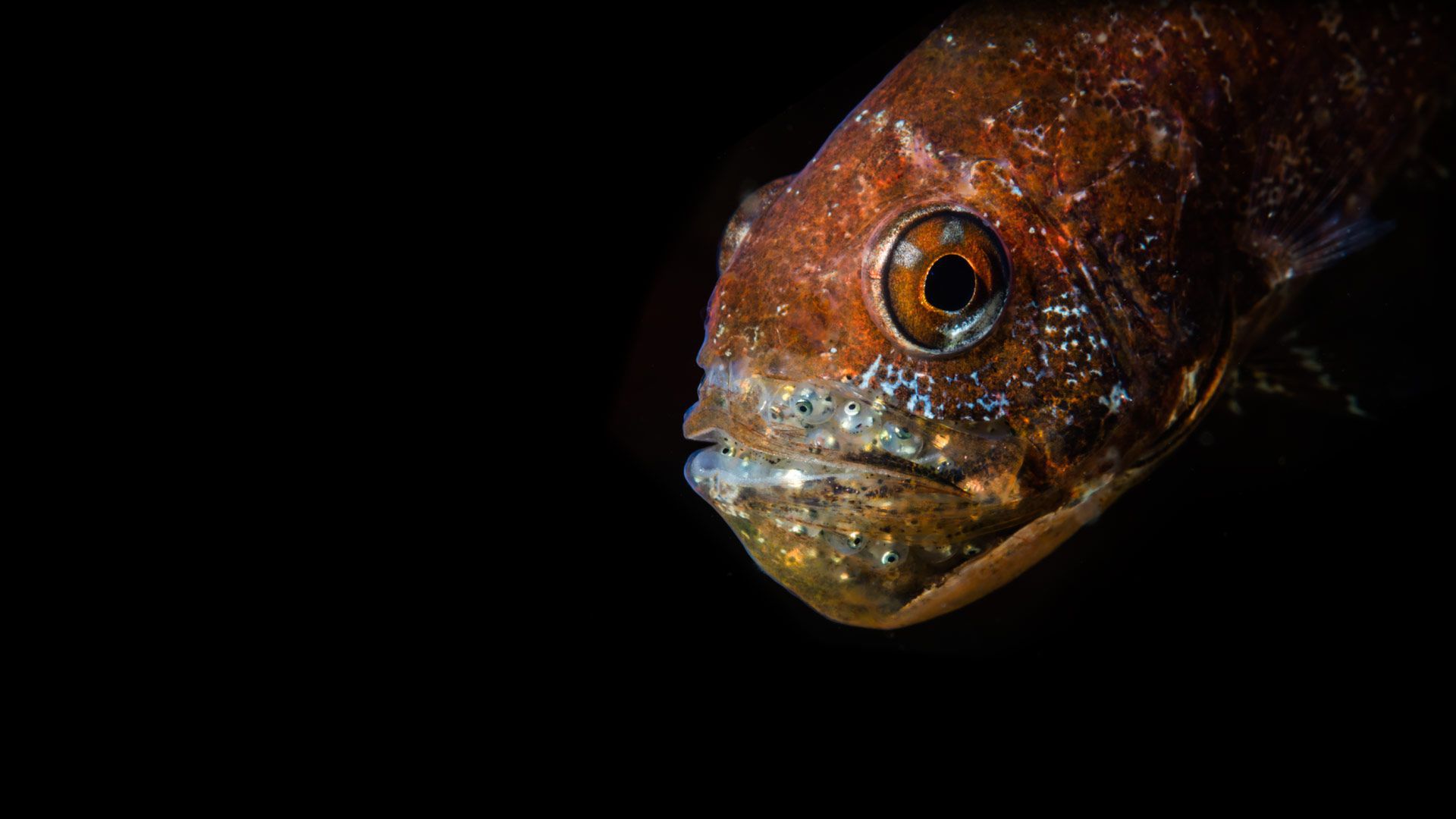
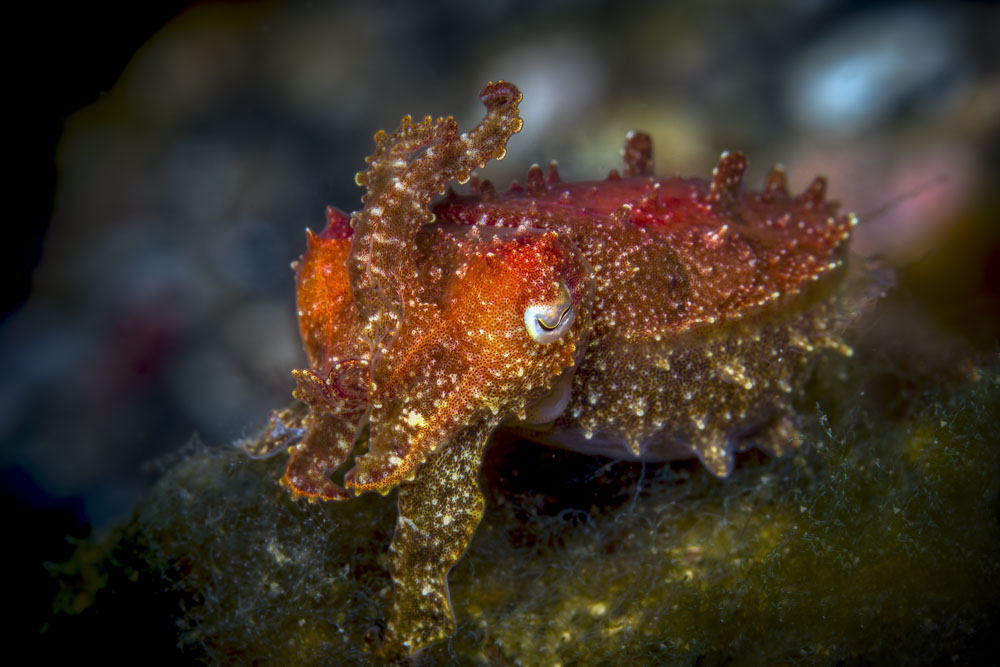
The sheer variety is also extraordinary. Frogfish, blue-ring octopus, mimic octopus, flamboyant cuttlefish, rhinopias, shrimp, crabs, nudibranchs, snake eels, mandarinfish, pipefish, and all kinds of strange in-between life forms can show up over the course of a good trip.
Lembeh is also an excellent place to grow as a photographer. The slow pace, strong guide support, and subject density give you time to experiment with snoots, backlighting, black backgrounds, shallow depth of field, behaviour shots, and cleaner compositions.
The dives that define Lembeh
Critter concentration at full intensity
One of Lembeh’s iconic macro sites and a perfect introduction to why divers come here from around the world with macro lenses mounted and ready. It is classic muck diving: plain at first glance, then increasingly alive the longer you look.
Classic Lembeh subject hunting
A site that regularly rewards patient photographers with nudibranchs, frogfish, crustaceans, and the kind of strange, highly specific encounters that define the region.
Black sand, strange life, and clean frames
One of those sites that captures the essence of Lembeh: simple terrain, bizarre subjects, and outstanding photographic potential once your eye settles in.
Rare life and repeat-dive value
A strong example of why Lembeh works so well over multiple days. You can dive similar-looking sites and still keep finding entirely different subjects.
Macro variety with legendary status
A favourite among photographers for good reason. Critter density, subject range, and strong guide support make it a very productive dive.
Colour, coral, and a change of pace
Trips north toward Bangka add a completely different flavour to the week, with bright reef diving and a welcome contrast to the core muck experience.
Lembeh Resort
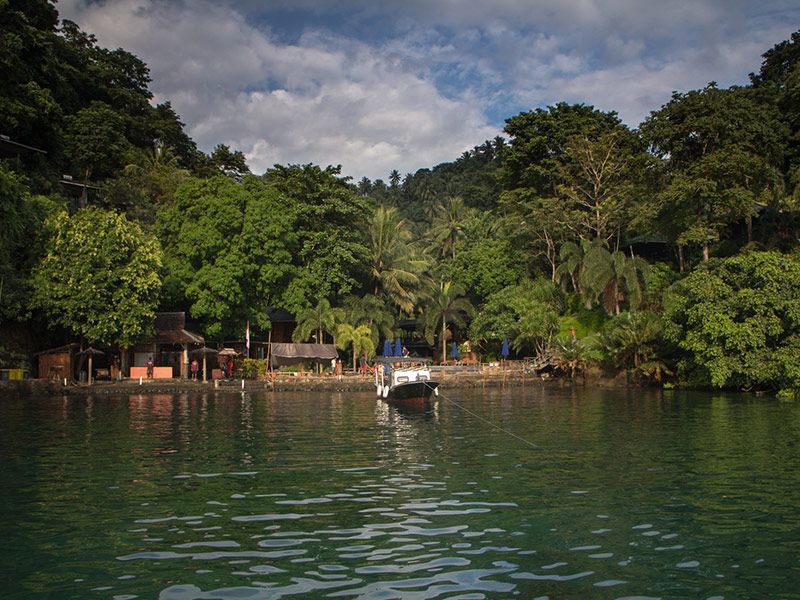
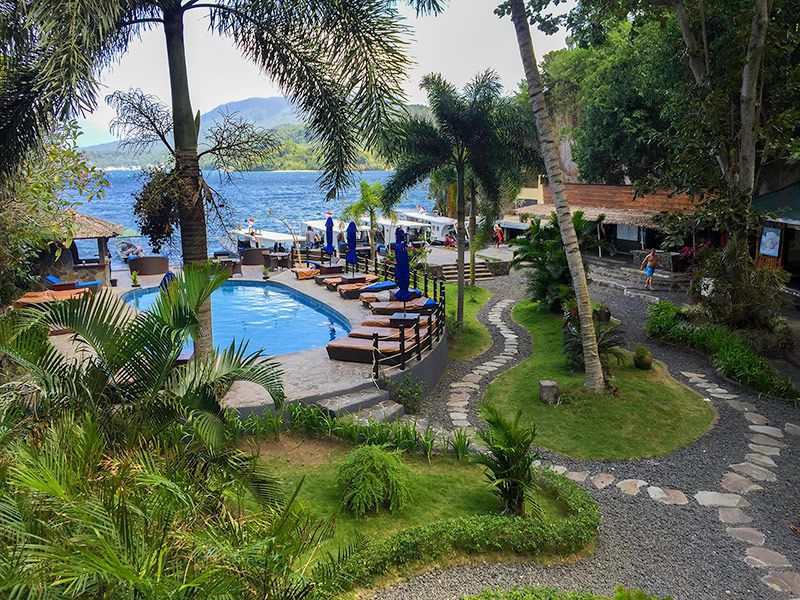
Lembeh Resort is the standout upscale option if you want to experience the strait well. The resort sits on Lembeh Island and combines a polished operation with the kind of dive infrastructure that macro photographers appreciate: experienced guides, reliable boats, comfortable pacing, and a strong understanding of what photographers actually need day to day.
The dive operation is especially well suited to image-makers. Lembeh is about finding the small, strange, and easily missed, so guide quality matters enormously. A strong resort here is not just about the room or the food. It is about whether the dive team can help you make the most of the subjects that brought you this far in the first place.
The resort also supports the kind of trip rhythm macro photographers need: repeat diving, a dedicated photography mindset, comfortable surface intervals, good food, spa access, and enough calm between dives to review images and make better decisions on the next dive.
If you are travelling a long way to dive Lembeh properly, this is the kind of place that makes the overall trip feel complete rather than merely productive.
Getting there is easy enough, and absolutely worth it
Most trips begin through Manado in North Sulawesi. From there, it is a relatively short transfer by road and boat into the Lembeh area. The logistics are straightforward enough once you are on the ground, which is one reason the region works so well for repeat trips.
The more important planning note is expectation setting. This is primarily muck diving. That is the whole point. If you arrive wanting walls, giant schools, and constant blue-water spectacle, you are in the wrong destination. If you arrive wanting critters, behaviour, and serious macro opportunities, you are exactly where you should be.
Pack and plan accordingly. Lembeh rewards macro and super-macro tools, patient lighting, clean finning, and a willingness to spend time with subjects rather than rushing from one sighting to the next. Nitrox is useful because longer bottom times often mean better photographic opportunities.
The best Lembeh trips are built around patience, repetition, and trusting the guides to keep revealing what the sand is hiding.
Lembeh is strong year round, but photographers can be selective
Lembeh is a destination you can visit throughout the year, which is one reason it stays on so many photographers’ repeat-travel lists. Conditions, water temperature, and subject patterns shift, but the underlying value of the place remains very high.
For macro photographers, there is less value in obsessing over a single perfect window and more value in understanding that the strait remains consistently productive. Some seasons may favour certain subjects or slightly different conditions, but the overall reason to go does not really change.
Visibility is not the main reason to choose Lembeh. The sites are often close-range photographic environments where calm conditions, guide skill, subject behaviour, and your own patience matter more than endless blue water.
If macro is your priority, Lembeh almost always makes sense.
Perfect for macro photographers, critter hunters, and divers who enjoy slow, deliberate diving
Lembeh is ideal for underwater photographers, especially anyone serious about macro work. It also suits divers who enjoy the hunt, who do not mind slower dives, and who are happy to focus on details rather than scenery.
This is not the best destination for someone who needs big blue-water drama on every dive. It is for people who get excited by a tiny subject, a strange posture, an unusual behaviour, or a species they have never seen before.
It is also a strong destination for divers building photographic confidence, provided buoyancy is under control. The pace is forgiving, the subjects are fascinating, and the repetition helps you improve quickly.
If that sounds like your kind of diving, Lembeh is hard to beat.
A place that proves beauty does not always look the way people expect
One of the interesting things about Lembeh is that it changes how divers think about underwater value. This is not a destination that wins by looking pristine in the conventional reef-tourism sense. It wins because it supports one of the strangest and richest collections of macro life anywhere in the world.
That should make divers more thoughtful, not less. The black sand, rubble, and unusual substrate are not empty. They are habitat. They are the reason the place works. The best guides in Lembeh understand this instinctively, and the best guests eventually do as well.
It is a reminder that protecting marine environments also means understanding them on their own terms, not only through the lens of postcard reef aesthetics.
Images from the trip
Want to experience this destination more deeply?
Explore upcoming trips or view a curated gallery of digital prints inspired by this destination.