
Turneffe Atoll, Belize
Turneffe Atoll offers good Caribbean diving, strong reef structure, and real marine scale, but it also tells a more complicated story about conservation pressure, threatened species, and the growing impact of invasive lionfish.
◎
Turneffe Atoll overall score
A field assessment based on photographic opportunity, marine life consistency, reef condition, conservation context, and the overall underwater value of diving Turneffe Atoll in Belize.
6/10
There is enough smaller life, reef texture, and close-focus detail to keep macro photographers engaged, but Turneffe is not primarily a critter destination in the way stronger Indo-Pacific macro sites are.
8/10
Walls, spur-and-groove formations, reef edges, sponges, sea fans, and blue-water drop-offs give Turneffe good wide-angle appeal when visibility, light, and current line up well.
7/10
The atoll supports a broad mix of coral reef, flats, mangrove, seagrass, and lagoon habitats, though the dive experience can feel less consistently spectacular than stronger Indo-Pacific reef systems.
7/10
You will still see plenty of life, but this is also a destination where changing fish density, invasive lionfish, and ecological pressure are part of the honest assessment.
7/10
Turneffe remains ecologically important and protected, but ongoing conservation work matters here because reef health is valuable, visible, and not something to take for granted.
🧭 Advanced
Best for divers with good buoyancy, comfort in moderate current, repetitive dive fitness, wall-diving confidence, and enough awareness to handle changing conditions around reef edges, drop-offs, and drift-style sites such as The Elbow.
Beginner
Advanced
Expert
Master
One of Belize’s most important and most complex marine environments
Turneffe Atoll is the largest atoll in Belize and one of the most ecologically important marine systems in the Caribbean. It sits offshore from Belize City and is known for coral reefs, flats, mangroves, seagrass habitat, lagoons, channels, and a wide range of marine life.
What makes Turneffe Atoll diving interesting is not just the diving itself, but the broader context around it. This is a place where marine biodiversity, tourism, sport fishing, conservation, and environmental pressure all intersect. It has real value, but it also feels like a destination where protection matters because the stakes are visible.
For divers, Turneffe offers reef walls, channels, coral structure, Caribbean blue water, and access to classic Belize diving experiences. It is not the most dramatic destination I have ever dived, but it is one of those places where the broader marine environment matters enough that the experience feels bigger than just a collection of dive sites.
That makes it worth approaching honestly. Turneffe is good diving, not perfect diving. Its value comes from the mix of reef structure, marine reserve context, atoll geography, and the conservation story happening around it.
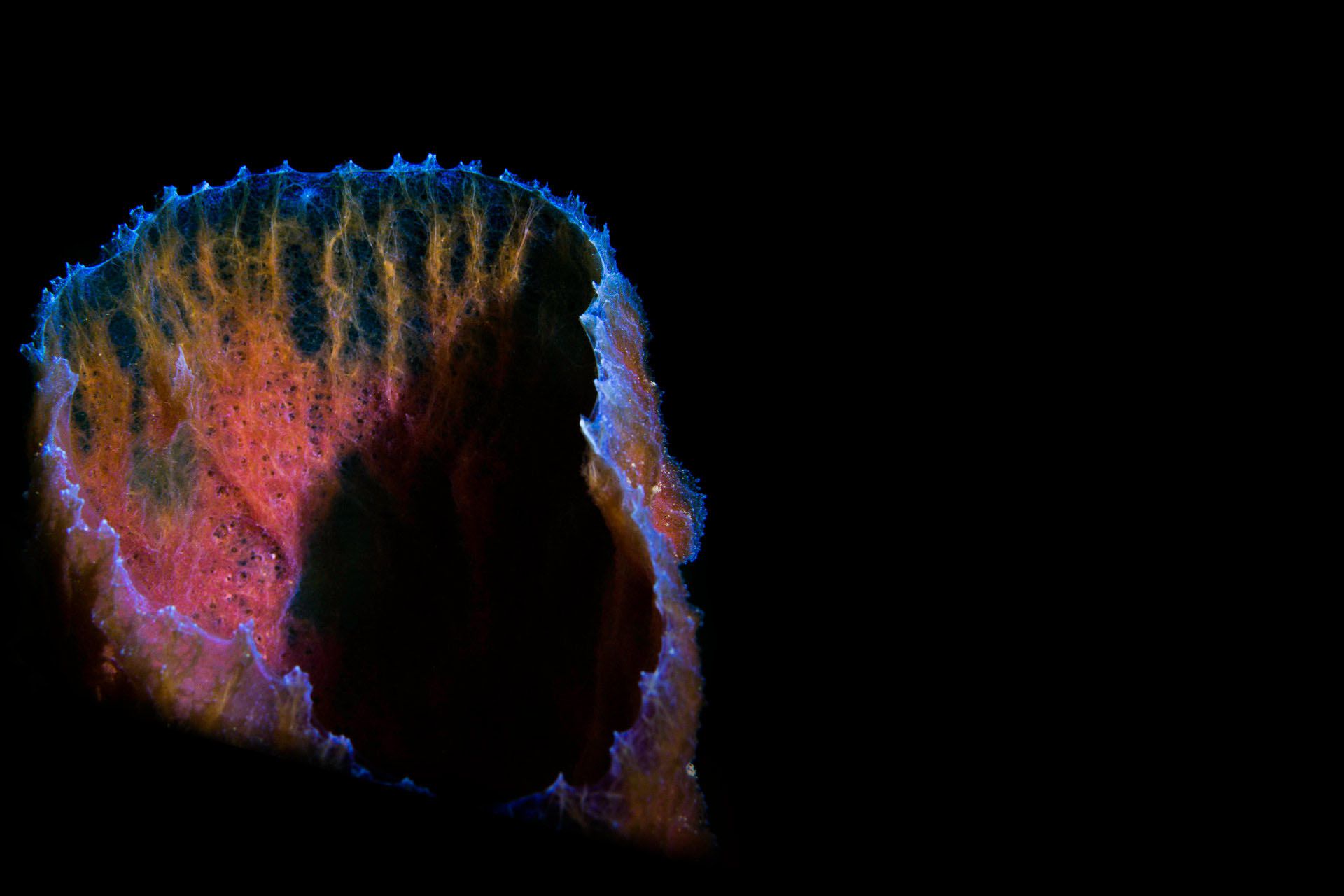
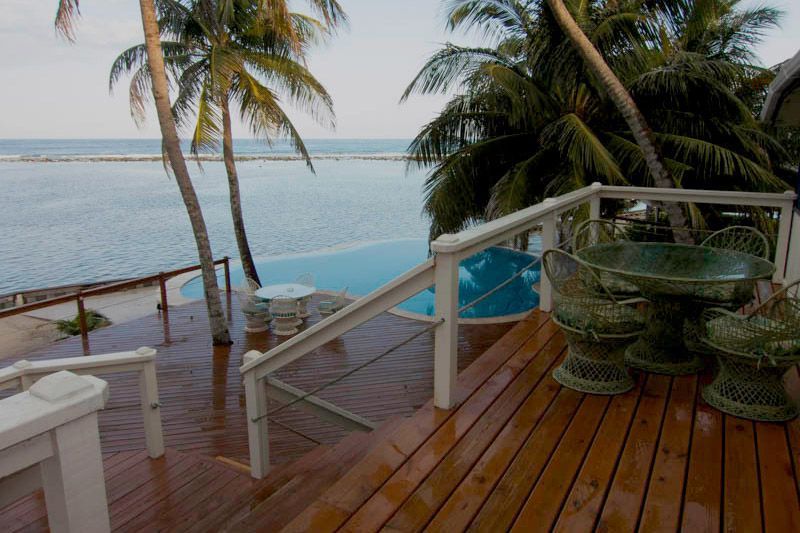
Best for reef scenes, structure, and classic Caribbean blue water
From an underwater photography standpoint, scuba diving Turneffe Atoll is strongest when approached as a reef and structure destination. You come here for coral ridges, reef edges, sponges, sea fans, clear water on the better days, and a broader blue-water Caribbean feel.
Wide-angle photographers will generally get more out of Turneffe than strict macro shooters. The better images tend to come from working reef geometry, negative space, fish movement, and the relationship between coral structure and open water. It is less about visual overload and more about building cleaner compositions.
Macro opportunity exists, but this is not a critter-first destination. The photography is more rewarding when you appreciate healthy reef sections, moderate current, and that distinctly Caribbean look of coral growth, gorgonians, and cobalt water beyond the reef edge.
If your priority is a Belize dive trip with reef-based underwater photography, Turneffe is a stronger fit than if you are chasing intense macro density or the kind of fish biomass that immediately overwhelms the frame.
The sites and experiences that define diving Turneffe Atoll
Current, blue water, and pelagic possibility
The Elbow is one of Turneffe’s most recognized sites and the one most associated with stronger current, open-water energy, schooling fish, reef sharks, eagle rays, and the possibility of larger marine life moving through the blue.
Structure with extra character
The Sayonara Wreck adds shape, story, and a more clearly defined compositional subject for photographers. It is a useful contrast to Turneffe’s reef-wall dives and gives the itinerary a different kind of visual anchor.
Turneffe’s everyday strength
The real value of Turneffe is often not one single site, but the consistency of its reef walls, coral growth, sponges, gorgonians, and reef-edge diving across the atoll.
Iconic Belize add-on
Some resorts include or offer trips to Lighthouse Reef and the Great Blue Hole when weather allows, which adds a classic Belize experience to a Turneffe-based itinerary.
Reef beauty over spectacle
Many of the more rewarding dives here are about healthy coral sections, sea fans, reef texture, and classic Caribbean colour rather than one singular marquee moment.
Why the atoll matters
Even when not dived directly, the surrounding seagrass, flats, creeks, lagoons, and mangrove systems are part of what makes Turneffe such an important marine environment in Belize.
Turneffe Island Resort
Turneffe Island Resort positions itself as a more polished private-island escape, with scuba diving, snorkeling, fishing, and resort comfort built into a premium offshore Belize experience. It is geared toward guests who want service, ease, and direct access to Turneffe’s reef system without giving up the feeling of remoteness.
From a dive-travel perspective, it is attractive because it combines Belize resort comfort with access to local diving and, depending on conditions and package structure, excursions to sites such as the Great Blue Hole. That broader mix gives the resort appeal beyond one type of traveller.
It suits divers who want a more upscale Belize diving base, especially couples or mixed-interest travellers who want more than a pure dive lodge atmosphere.
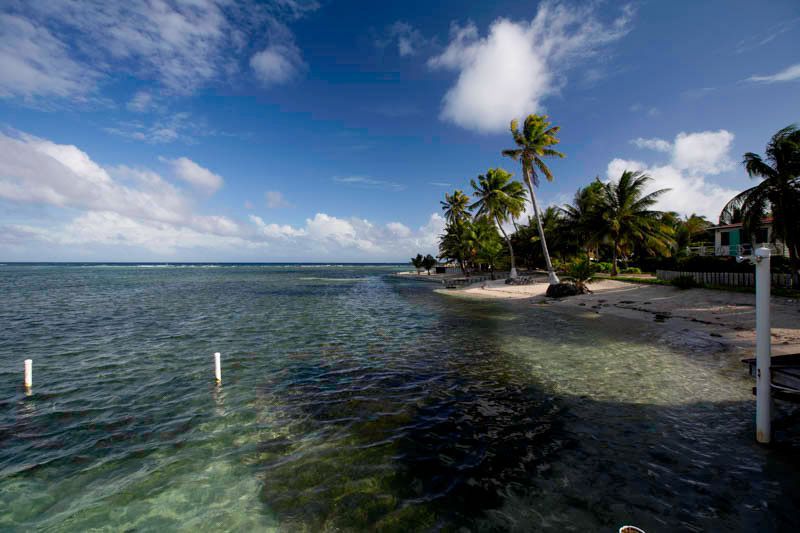
Turneffe Flats
Turneffe Flats has a stronger eco-lodge and marine-adventure personality. It is especially well known for flats fishing, but it also offers scuba diving, snorkeling, and marine eco-tourism with a smaller-scale, more experience-led feel.
What makes it appealing is that it feels tied to the ecosystem itself. The property leans into the biological importance of the atoll and has long been associated with conservation-minded positioning, which gives it a different tone from a more conventionally luxury resort.
It is a good fit for travellers who want Turneffe’s marine environment to be the centre of the trip, including divers who also appreciate the broader ecological and conservation value of the atoll.
Getting there
Most Turneffe Atoll Belize trips begin by flying into Belize City. From there, the resorts handle onward transfer by boat, and that final leg is part of what gives the destination its offshore, removed feel.
That relative remoteness is a strength. You are far enough out that the experience feels distinct from the mainland, but not so remote that it becomes logistically punishing. For divers, it is a relatively easy way to access one of Belize’s most important atoll systems.
If you are planning a broader Belize scuba diving trip, Turneffe also works well as a base for combining local atoll diving with Blue Hole or Lighthouse Reef excursions, depending on the resort, itinerary, and weather window.
Dry-season conditions are generally the strongest
The best time to dive Turneffe Atoll is usually during Belize’s drier season, broadly from November through May, when sea conditions are calmer, visibility is often better, and the logistics of getting out to the atoll are more predictable.
Water temperatures stay warm for most of the year, generally in the high 20s Celsius, and visibility often ranges from solid to very good depending on wind and current. That makes the destination comfortable for repetitive diving and especially workable for wide-angle photography.
The wetter months can still be rewarding, but you are more likely to deal with variable visibility, rougher surface conditions, and weather-related disruption. If photography and smoother dive operations are priorities, the drier months are the better choice.
Best for Caribbean reef divers, mixed-interest travellers, and conservation-minded visitors
Turneffe is best suited to divers who enjoy reef-based Caribbean diving and appreciate the larger context of where they are. This is not a destination I would position as the world’s most explosive underwater spectacle, but it is a meaningful one.
It works well for travellers who want a Belize trip that blends scuba diving, snorkeling, flats, blue water, and a more complete marine setting. It also suits people who care about conservation and want to visit places where protection efforts are part of the story.
If you are looking for a destination that combines good diving with ecological significance and a strong sense of place, Turneffe Atoll is worth serious consideration.
Turneffe’s long-term value depends on active protection
The conservation story here is central, not secondary. The Turneffe Atoll Trust played a major role in pushing for protection of the atoll, and the Turneffe Atoll Marine Reserve was formally established in 2012.
That matters because Turneffe is home to species and habitats that are both ecologically important and economically valuable. Research, stewardship, education, and reserve management are not abstract concepts here. They are directly tied to whether the atoll remains worth visiting and worth protecting.
Your original instinct was right to mention the tension in this place. The diving is good, but there are real pressures, including invasive lionfish and broader ecosystem strain. Turneffe is one of those destinations where the conservation story should shape how we talk about the diving itself.
Images from the trip
Want to experience this destination more deeply?
Explore upcoming trips or view a curated gallery of digital prints inspired by this destination.