
Cozumel, Mexico
Cozumel has all the ingredients for an easy, highly enjoyable Caribbean dive trip: warm water, excellent visibility, straightforward logistics, dramatic coral structure, and a reef system that still makes drift diving feel exciting.
◎
Cozumel overall score
A field assessment based on wide-angle potential, reef structure, ease of diving, marine life, and overall trip value.
6/10
There is enough life to keep photographers interested, especially on slower, shallower dives, but Cozumel is not primarily a macro destination.
8/10
Towering coral formations, swim-throughs, walls, and clean blue water make Cozumel a very strong wide-angle destination in the Caribbean.
7/10
The reef life is healthy enough to feel vibrant, with reef fish, turtles, barracuda, morays, splendid toadfish, and enough variety to keep several days interesting.
7/10
This is not a place that overwhelms you with biomass, but it consistently delivers enough life, movement, and reef energy to make the dives feel alive.
7/10
Cozumel still stands out for reef quality, visibility, and the feeling that the island’s dive identity is deeply tied to the health of its marine environment.
🤿 Beginner
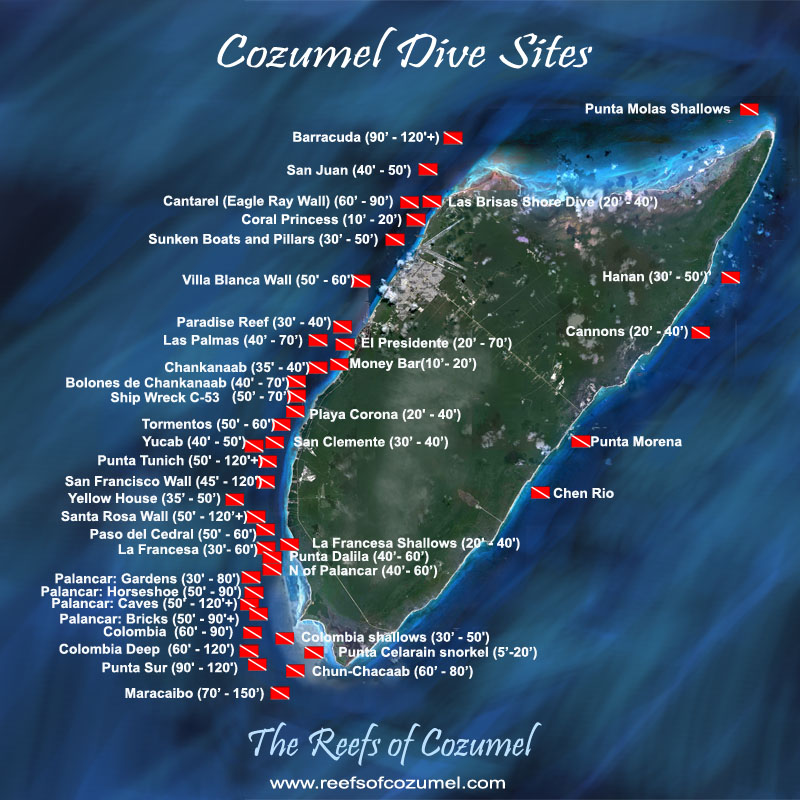
Best for newer certified divers, relaxed warm-water divers, and mixed-experience groups. Most Cozumel diving is easy, warm, clear, and boat-supported, though advanced divers can still find more serious profiles at sites such as Maracaibo, Punta Sur, and Chun Chacaab when conditions allow.
Beginner
Advanced
Expert
Master
A Caribbean dive trip that is easy to love
Cozumel keeps showing up on divers’ lists for a reason. It is easy to get to, easy to dive, and easy to enjoy. The water is warm, the visibility is often excellent, the drift diving is fun, and the island itself gives you enough to do above the water that the trip never feels one-dimensional.
What makes Cozumel work so well is the overall balance. It is not trying to be the wildest destination in the world or the most remote. It succeeds because it consistently delivers a very good diving experience inside a trip that is straightforward, social, and genuinely relaxing.
Most of the diving is approachable. Boats handle the logistics, divemasters manage the drift profiles, and the sites offer a comfortable progression from easy shallow reefs to deeper, more committing southern dives for stronger divers.
If someone asked me for a reliable warm-water getaway with very strong diving value, Cozumel would stay high on that list.
Best suited to wide-angle shooters who enjoy movement
Cozumel is stronger for wide-angle than macro. The reef structure is what gives the island its visual identity. Walls, pinnacles, buttresses, swim-throughs, sea fans, and clear blue water all help create the kind of scenes that feel naturally composed.
The challenge is that drift diving changes the way you work. You do not always get to stop, refine, and fuss over a composition. You often need to see the frame, commit, and shoot while moving. If you like that style, Cozumel can be a lot of fun.
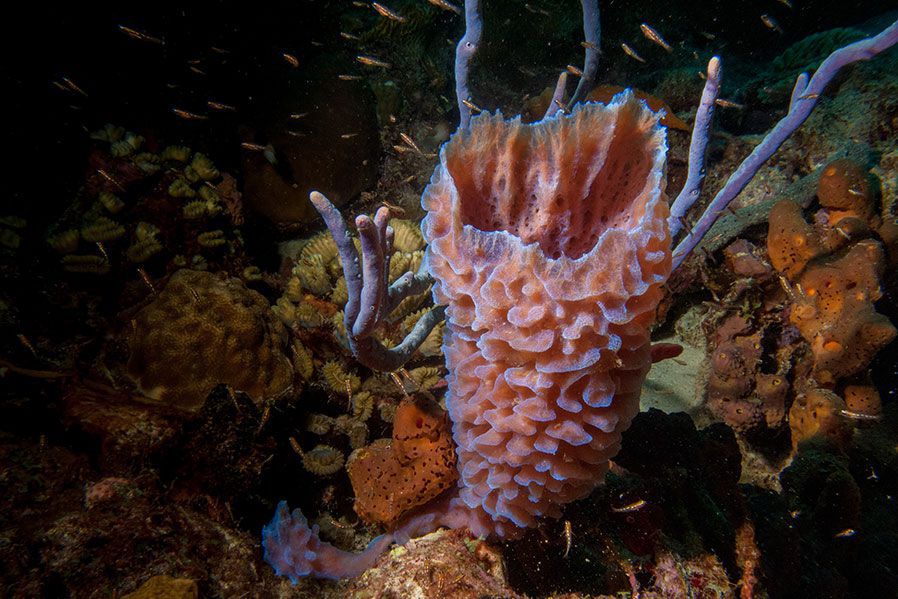
Macro exists, especially on slower shallow dives, night dives, and sites where you can work close to the reef. But this is not a Lembeh-style trip. Cozumel is at its best when you lean into reef structure, blue water, turtles, sponges, coral formations, and the sense of movement that defines the island.
It is the kind of place where a strong reef scene often matters more than a rare subject.
The dives that define Cozumel
Easy, shallow, and highly enjoyable
One of Cozumel’s best areas for easy diving. Chankanaab offers shallow profiles, mild current, coral platforms, marine life, and enough visual interest to make it ideal for newer divers, refresher dives, night dives, and relaxed photography.
The classic Cozumel name
Huge reef structure, multiple personalities, swim-throughs, walls, and enough variety that it feels like several destinations inside one reef system. Palancar is one of the places where Cozumel’s wide-angle appeal becomes obvious.
Wall flying at its best
One of the iconic Cozumel experiences. Strong blue water, a real wall, and the sensation of moving through serious topography make it a memorable dive for confident drift divers.
Big formations and open-water feel
A strong reef area with giant coral structure and a more expansive, dramatic underwater feel than many Caribbean sites. The shallower sections can be relaxed, while deeper profiles reward more experienced divers.
Shallow, lively, and great at night
Easy to enjoy and consistently popular for a reason. Paradise Reef is one of the island’s better places to slow down, look for smaller life, and enjoy a more controlled pace.
Classic easy-pleasure diving
Colourful reef, good fish life, and the kind of dives that make Cozumel feel effortless and fun. These are excellent examples of why the island works so well for comfortable repeat diving.
For more advanced divers
Maracaibo pushes Cozumel into more serious territory, with deeper profiles, stronger conditions, and greater commitment. It can be excellent, but it is not the same kind of easy second-dive profile as the island’s shallow reefs.
Depth, current, and bigger reward
One of the sites that gives experienced divers more edge. Punta Sur can involve deeper profiles, swim-throughs, and more demanding conditions, making operator choice and group ability more important.
A stronger-diver option when conditions line up
Chun Chacaab can offer more advanced diving than the easiest Cozumel sites, with current, depth, and structure that reward calm, capable divers. It is a good example of how Cozumel can remain interesting even for more experienced people.
Blue Angel Resort
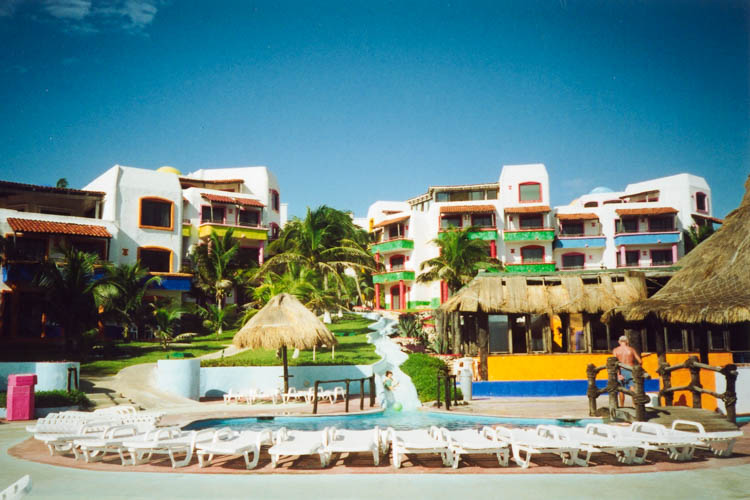
Blue Angel Resort is one of the better dive-focused bases in Cozumel if you want the trip to feel simple, efficient, and centred around diving. It has the advantage of being a smaller resort with an on-site dive operation, restaurant, and direct boat access.
That structure matters in Cozumel. A good trip here is often about reducing friction: wake up, have breakfast, get on the boat, drift the reef, come back, review images, and repeat. Blue Angel fits that style well because the resort and dive operation are connected rather than separated by extra logistics.
It is a strong choice for divers who want an easy, social, dive-first stay without needing a large all-inclusive resort around them.
The Explorean Cozumel
The Explorean Cozumel is a better fit if you want a more polished all-inclusive experience with a quieter, adventure-oriented feel. It works especially well for couples or mixed-interest travellers where diving is important, but the overall trip also needs resort comfort, activities, and an easier above-water rhythm.
The tradeoff is simple. Blue Angel feels more directly dive-centred. The Explorean feels more resort-centred. Both can make sense, but they serve different versions of a Cozumel trip.
If the goal is maximum diving simplicity, I would lean Blue Angel. If the goal is a more complete vacation around diving, The Explorean becomes more compelling.
The beauty of Cozumel is how little friction there is
Cozumel is one of the simpler Caribbean dive trips to plan. You fly in, settle into a dive-friendly hotel or resort, and the boat-diving rhythm starts quickly. That low-friction setup is one of the main reasons people return.
The best planning advice is simple: book Nitrox, choose an operator that matches your ability level, and be honest about whether you want easy reef dives or access to the more advanced southern sites. Cozumel can do both, but not every boat is built around the same kind of diver.
For newer or more relaxed divers, Chankanaab, Paradise, Yucab, Tormentos, and easier Palancar profiles are the heart of the trip. For stronger divers, Maracaibo, Punta Sur, Chun Chacaab, and deeper wall dives add a more serious edge.
Most of the time, though, Cozumel’s value is that it does not need to be hard. It is warm, clear, easy to enjoy, and very good at delivering repeatable dive days.
Cozumel works for most of the year
Cozumel is one of the easier Caribbean destinations to plan around. The diving is available year-round, visibility is often strong, and the island is less dependent on one narrow seasonal window than many more remote destinations.
For many divers, late fall through spring is the most comfortable planning window, with warm water, pleasant topside conditions, and reliable diving. Summer can still be excellent, but it can feel hotter and more humid, and hurricane-season planning always deserves a little extra flexibility.
The more important question is not only when to go, but what kind of diving you want. Easy reef dives are available almost any time conditions cooperate. The more advanced southern sites depend more heavily on current, group ability, and operator judgment.
Ideal for easy warm-water escapes, mixed groups, and repeat trips
Cozumel is a very good fit for divers who want reliable Caribbean diving without overcomplicating the trip. It works well for couples, mixed-experience groups, photographers who want reef structure more than macro obsession, and divers who like doing a lot of comfortable dives in a short window.
It is also a smart destination for repeat visits because the combination of convenience, drift diving, warm water, and relaxed island rhythm makes it easy to come back. Not every destination needs to feel remote or rare to be worth revisiting.
For newer divers, Cozumel can be one of the easiest warm-water dive trips to enjoy. For experienced divers, the southern sites and stronger-current days keep it from feeling too soft.
Cozumel earns its place by being consistently enjoyable.
Cozumel’s value depends on reef protection
Cozumel’s dive identity is tied directly to the health of its reef system. The island’s marine park, dive operators, and local tourism economy all depend on keeping the reef worth returning to.
That matters because Cozumel is not a remote, untouched destination. It is popular, accessible, and heavily visited. The fact that the diving remains so enjoyable is exactly why reef stewardship, good buoyancy, responsible operator behaviour, and careful tourism management matter here.
For divers, the responsibility is straightforward: stay off the reef, manage buoyancy in current, avoid grabbing coral in swim-throughs, and choose operators who treat the marine park as the core asset rather than just the backdrop.
Images from the trip
Want to experience this destination more deeply?
Explore upcoming trips or view a curated gallery of digital prints inspired by this destination.