
Wakatobi, Indonesia
Wakatobi diving is known for exceptionally healthy reefs, clear water, beautiful coral structure, and the kind of easy-access underwater photography that keeps divers returning year after year.
◎
Wakatobi overall score
A field assessment based on photographic opportunity, reef condition, biodiversity, marine abundance, and the overall value of the diving experience.
8/10
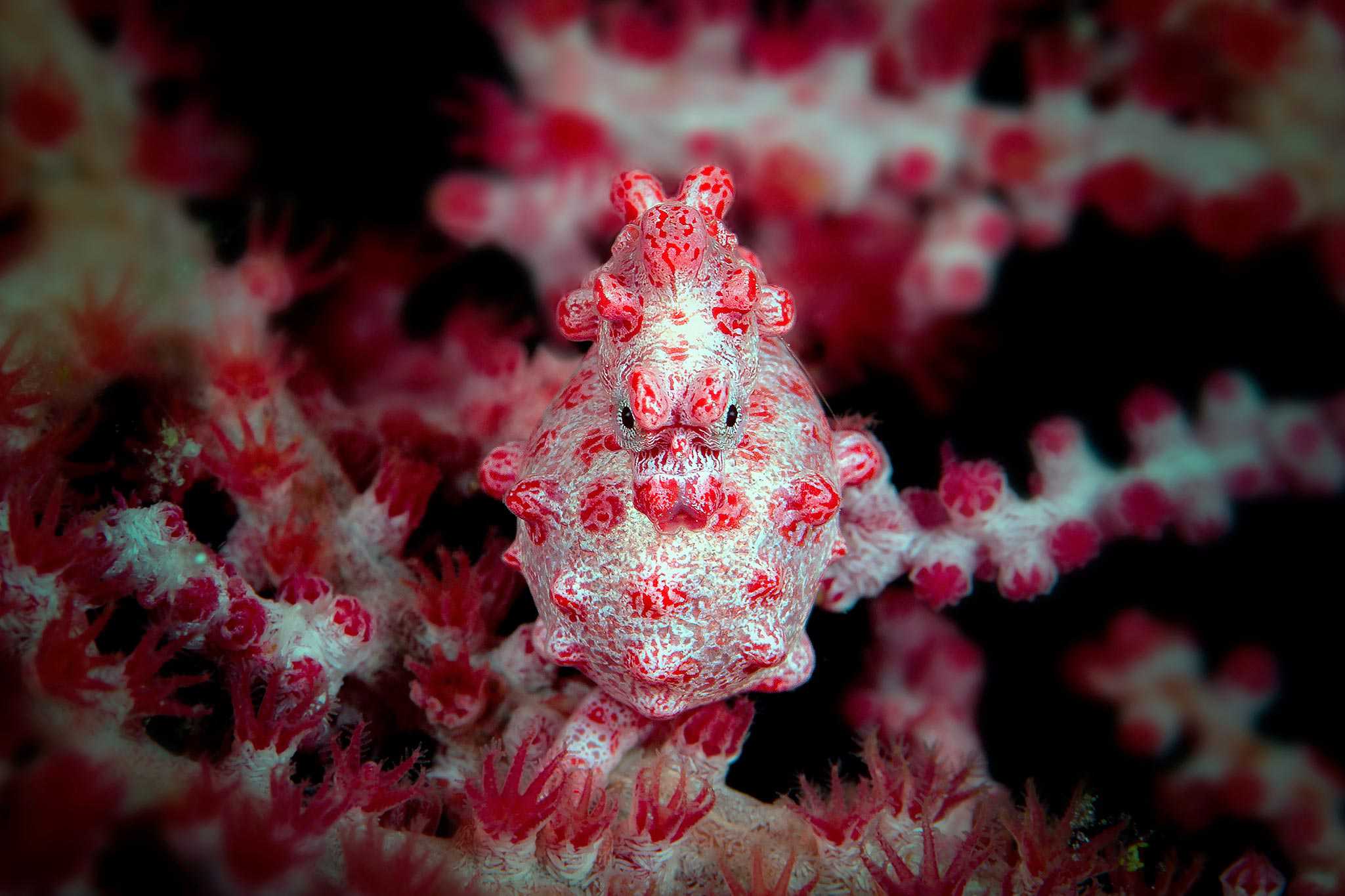
Wakatobi macro diving is strong, especially on the House Reef and dedicated critter sites where patient photographers can work subjects repeatedly without rushing the dive.
9/10
Wakatobi underwater photography is especially rewarding for wide-angle shooters who value coral gardens, sea fans, reef structure, wall profiles, and clean blue water.
9/10
From walls and slopes to coral gardens, seagrass shallows, drop-offs, and critter-rich sites, Wakatobi dive sites deliver enough range to keep a full trip visually fresh.
9/10
Fish life, coral cover, reef texture, and frequent photo opportunities give the diving a sense of richness that feels reliable rather than occasional.
10/10
Reef health is one of Wakatobi’s defining advantages and the main reason the destination stands out so strongly in Indonesia.
🧭 Advanced
Best for divers with good buoyancy, comfort in current, repetitive dive fitness, wall-diving confidence, and enough awareness to manage tidal exchange on the House Reef and changing current on exposed reef sites.
Beginner
Advanced
Expert
Master
One of the easiest places in Indonesia to settle into consistently beautiful diving
Wakatobi is the acronym for Wangi-Wangi, Kaledupa, Tomia, and Binongko, the four main islands that define the area. For most divers, the appeal is not only biodiversity. It is the quality and consistency of the experience: healthy reefs, high coral cover, strong fish life, and enough site variation that the destination rarely feels repetitive.
If your ideal trip is built around reef beauty, easy access, and a dependable underwater experience rather than chasing one signature pelagic encounter, Wakatobi is one of the strongest choices in Indonesia. It is especially compelling for underwater photographers, couples, and divers who prefer comfort and structure without losing time in the water.
Wakatobi also works unusually well for people who want to refine technique. The combination of guided boat diving, long profiles, and repeated House Reef access makes it possible to revisit productive areas, improve lighting decisions, and spend more time actually shooting rather than only moving between distant sites.
Why Wakatobi works so well for underwater photographers
Wakatobi underwater photography is less about one dramatic big-animal promise and more about the quality of the overall visual environment. Coral structure is healthy, backgrounds are often clean, fish life is present in the frame, and the House Reef creates opportunities for repeated dives when you want to work a subject more deliberately.
This is the kind of destination that rewards compositional discipline. Wide-angle photographers benefit from walls, sea fans, coral gardens, reef tops, and colour-rich shallows, while macro shooters have enough critter opportunities to stay engaged throughout the trip.
It also helps that the dive operation is built with photographers in mind. Camera-room support, easy shore access, boat routines, and productive House Reef access reduce friction and make it easier to focus on image-making rather than logistics.
The important caveat is that “easy access” does not always mean “easy diving.” Strong tidal exchange can move across the House Reef, and some boat sites can carry meaningful current. For photographers, that means planning the dive, staying aware of position, and keeping buoyancy clean around healthy coral structure.
Key Wakatobi dive sites worth knowing before you go
The signature dive
The Wakatobi House Reef is one of the destination’s defining strengths. With seagrass shallows, coral heads, a drop-off, and easy repeat access, it is one of the best reasons to choose Wakatobi Dive Resort. It can also experience strong tidal exchange, so timing, entry planning, and current awareness matter.
Macro favourite
If you are interested in Wakatobi macro diving, this is one of the sites to know. It is a strong choice for critter hunting, slower working pace, and small-subject photography, with subjects that reward patience and guide knowledge.
Shallow wall profile
An approachable site that rewards divers who enjoy clean reef structure, easy wall composition, and relaxed photography, while still requiring good buoyancy and respect for the reef.
Classic wall diving
One of the better-known Wakatobi dive sites for wall structure, overhangs, fans, sponges, and the kind of detail that works for both macro and wide-angle photography.
Coral garden richness
Roma is the kind of site that highlights why Wakatobi diving has such a strong reputation for reef beauty. Expect fish life, colour, coral heads, and a very photographable reef environment.
Structure and scale
A more dramatic site with stronger wide-angle appeal, seamount-style structure, and a more open feel for divers who want larger composition options and a stronger sense of underwater architecture. Depending on conditions, this can feel more advanced than Wakatobi’s easier reef profiles.
Wakatobi Dive Resort
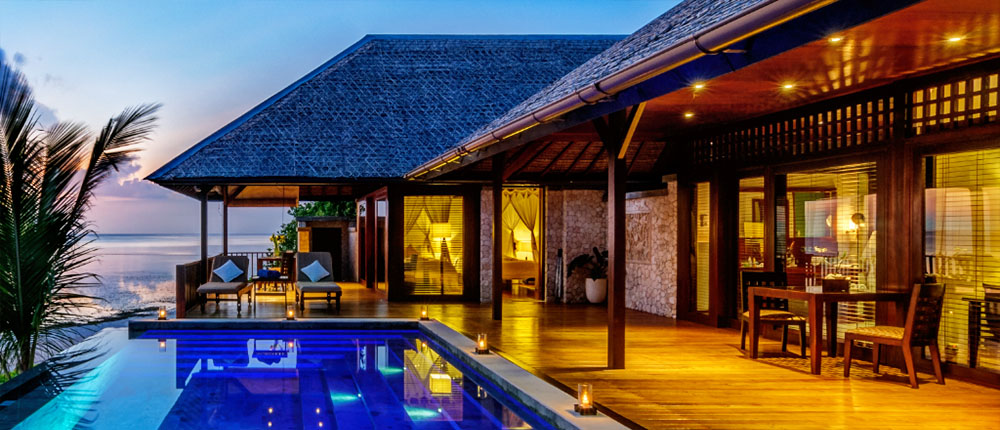
Wakatobi Dive Resort is the practical gateway to the destination for most travellers. The operation combines guided day-boat diving with shore diving on the House Reef, which changes the rhythm of the trip in a very positive way. You can dive on schedule, rest, review images, and go back in again when conditions or light look right.
That structure is one of the biggest reasons Wakatobi feels so efficient. It suits divers who value comfort, photographers who want repeat opportunities, and anyone who prefers a well-run experience over an expedition-style logistics challenge.
It is also a destination where service and reef access are tightly connected. The resort experience is polished, but the main value is still underwater: protected reefs, easy access, strong site variety, and an operation that removes friction from the diving day while still respecting real ocean conditions.
Getting to Wakatobi
Most international travellers route through Bali and continue onward from there. In practice, that makes the trip feel much more manageable than many remote dive destinations in Indonesia, especially if you are travelling with underwater photography gear.
1. Fly to Bali and build in enough buffer to recover from long-haul travel, reorganize luggage, and avoid starting the trip already rushed.
2. Continue onward through the resort’s transfer structure, which is one of the easiest ways to reach Wakatobi without stitching together multiple uncertain local connections.
3. Pack for efficiency rather than maximum complexity. Wakatobi rewards comfort, repeat diving, and familiarity underwater more than overcomplicated camera setups.
4. Treat the House Reef like a real dive site, not a casual swim. Tidal exchange can be strong, so plan entries and exits around conditions, listen to the dive team, and avoid pushing the reef when the water is moving hard.
Seasonality and what it means in practice
Wakatobi is often described as a long-season dive destination, and for most visitors that is fair. The more useful question is what you want most from the trip. If your priority is stable reef diving, clean conditions, and a classic first experience, the broader March to December window is a sensible planning frame.
Water temperatures vary through the year, with warmer periods around late October and cooler water possible around the latter half of August. That cooler period is one of the reasons wetsuit choice matters if you are doing long, repetitive dives.
If your interests lean more toward timing, fish behaviour, or specific photographic conditions, March to May and September to November are often appealing windows. For most divers, though, Wakatobi is less about a narrow perfect month and more about whether the trip matches your style of diving.
Currents and tidal exchange still matter regardless of month. The best trips are planned with conditions in mind, especially if you expect to spend meaningful time on the House Reef or want to photograph current-exposed sites.
The kind of diver who will get the most from Wakatobi
Wakatobi is an excellent fit for divers who care about reef quality, coral health, wide-angle photography, and a calm, highly organized resort-based diving experience. It is also very good for couples and repeat divers who want confidence that most dives will be rewarding even without chasing a single headline species.
It is especially good for divers who appreciate a refined, low-friction dive trip, but who still have the skill to manage real reef conditions. Good buoyancy, current comfort, and a thoughtful approach to the House Reef will make the experience far better.
If your ideal trip is built around macro extremes alone, or around highly unpredictable pelagic moments, there are other destinations in Indonesia that may feel more specialized. Wakatobi’s real strength is that it is balanced, beautiful, and consistently enjoyable across a full trip.
Why Wakatobi feels so intact underwater
One of the main reasons Wakatobi stands apart is that reef protection is central to the experience rather than incidental to it. That matters because it shows up in the diving itself: healthier coral, stronger fish life, and a sense that the ecosystem still feels structurally whole.
The resort’s conservation model is built around the Wakatobi Collaborative Reef Conservation Program, which was created to give local communities an economic alternative to destructive fishing and to support long-term reef protection. That model is part of why the reefs can feel so unusually intact.
For visiting divers, the result is simple but meaningful. Wakatobi does not just look beautiful in isolated moments. It feels consistently healthy across the trip, and that is increasingly rare.
Images from the trip
Want to experience this destination more deeply?
Explore upcoming trips or view a curated gallery of digital prints inspired by this destination.