
Bangka Archipelago, North Sulawesi
Bangka is a remote diver’s paradise with white sand beaches, healthy reefs, rewarding macro life, and one of my favourite wide-angle dive sites in North Sulawesi: Sahaung.
◎
Bangka overall score
A field assessment based on photographic opportunity, reef structure, biodiversity, marine abundance, reef health, and the overall underwater value of Bangka Island diving.
7/10
Good critter density and plenty to inspect closely, though Bangka is better known for reef scenery, soft coral structure, pinnacles, and mixed photographic variety than pure muck diving.
9/10
Pinnacles, sea fans, coral-covered slopes, blue-water edges, and sites like Sahaung make Bangka one of the stronger wide-angle destinations in North Sulawesi.
9/10
Soft corals, walls, sandy patches, reef slopes, pinnacles, mangrove-influenced coastlines, and a broad mix of marine life create strong variety across the destination.
9/10
Fish life is consistently active, and many sites feel alive in a way that rewards both patient observation and more composition-driven diving around current-fed reef structure.
9/10
Healthy reef structure, colourful coral growth, conservation awareness, and relatively low-density tourism give Bangka a strong sense of long-term ecological value.
🧭 Advanced
Best for divers with good buoyancy, comfort in mild to moderate current, repetitive dive fitness, and enough experience to adapt when conditions change around Bangka’s pinnacles, slopes, blue-water edges, and reef channels.
Beginner
Advanced
Expert
Master
One of North Sulawesi’s most photogenic reef destinations
Bangka Island sits off the northeastern tip of Sulawesi and is part of the Bangka Archipelago in North Sulawesi, Indonesia. It lies within the Coral Triangle, the global epicentre of marine biodiversity, which helps explain why the diving here feels so rich, colourful, and varied.
What makes Bangka so compelling is balance. This is not a destination built around only one style of diving. It offers coral-covered pinnacles, reef slopes, walls, sandy channels, and enough current at the right sites to keep things interesting without making the destination feel intimidating for experienced recreational divers and underwater photographers.
Above the water, Bangka still feels relatively removed. White sand beaches, a slower island rhythm, mangroves, forest, and a more intimate resort experience give it a very different energy from larger or busier dive destinations in Indonesia. That sense of remoteness is part of the appeal.
If you are planning a broader North Sulawesi diving itinerary, Bangka also works extremely well alongside Bunaken and Lembeh. That combination gives you reef scenery, walls, critter diving, and broad photographic variety in one region.
Bangka offers real range for underwater photographers
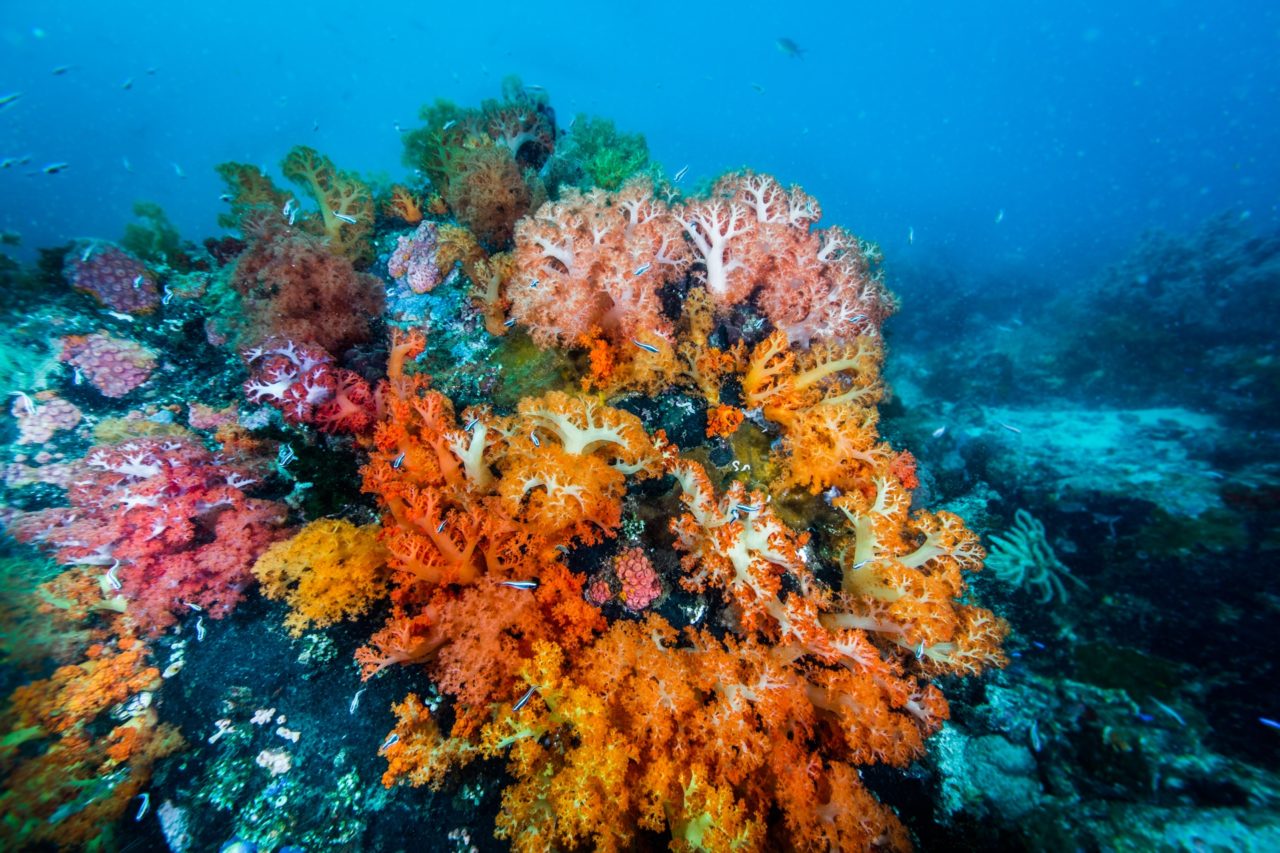
For underwater photographers, Bangka Island diving is strongest when viewed as a mixed-format destination. It is especially good for wide-angle work, thanks to its pinnacles, coral gardens, sea fans, sponges, and dramatic reef structure, but it still offers enough smaller life to keep macro shooters interested across a full trip.
The wide-angle appeal is easy to understand. Many of Bangka’s best sites have topography that naturally creates depth, layering, and movement in the frame. Soft corals add colour, current adds life, and the reef structure often gives you more to work with compositionally than flatter reef systems do.
Macro is less about black-sand spectacle and more about slower observation on healthy reefs and mixed substrates. Nudibranchs, frogfish, pipefish, scorpionfish, and other smaller subjects can all be found here. For photographers who enjoy alternating between wider reef scenes and more intimate subject work, Bangka can be extremely rewarding.
It is also simply a very pleasant place to shoot. There is enough diversity across the dive sites that it rarely feels repetitive, and the destination has a more relaxed rhythm than some more heavily trafficked parts of Indonesia.
The sites that define Bangka Island diving
Signature wide-angle diving
Sahaung I and II are the defining Bangka dive sites. One of my top 20 dive sites, the coral pinnacles, current, and structure combine to create one of the most memorable wide-angle dives in the region. Conditions can be lively, so this is best enjoyed by divers with good buoyancy and current awareness.
Wall and slope detail
A site that rewards both patient photographers and divers who enjoy healthy coral slope diving. Good marine life density and a slower working pace make it a reliable choice when you want reef texture, colour, and detail.
Fish life and movement
A more dynamic site where current and structure can combine well. This is one of the spots that helps give Bangka its stronger sense of variety and can reward divers who enjoy movement in the water column.
Pinnacles and blue-water feel
Steep pinnacles rising from the seafloor, with strong topography and excellent viewing angles for photographers who want reef structure and water-column depth in the same frame. When current is present, this can become one of Bangka’s more exciting drift-style dives.
Colourful reef structure
Often full of coral texture, fish life, and reef detail. It adds another dimension to the broader Bangka area and expands the photographic range of the destination with a different reef rhythm.
Macro-leaning alternative
A useful contrast to the more reef-scenic sites, with a stronger critter and small-subject feel for divers who want a change of pace during the trip.
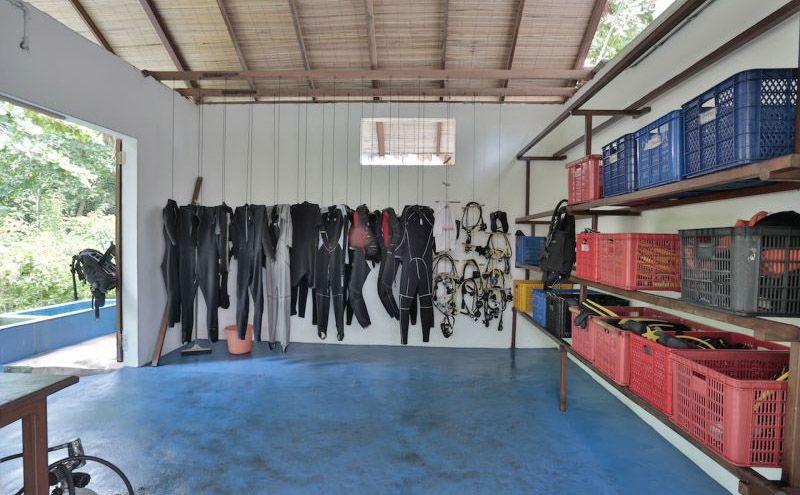
Murex Bangka
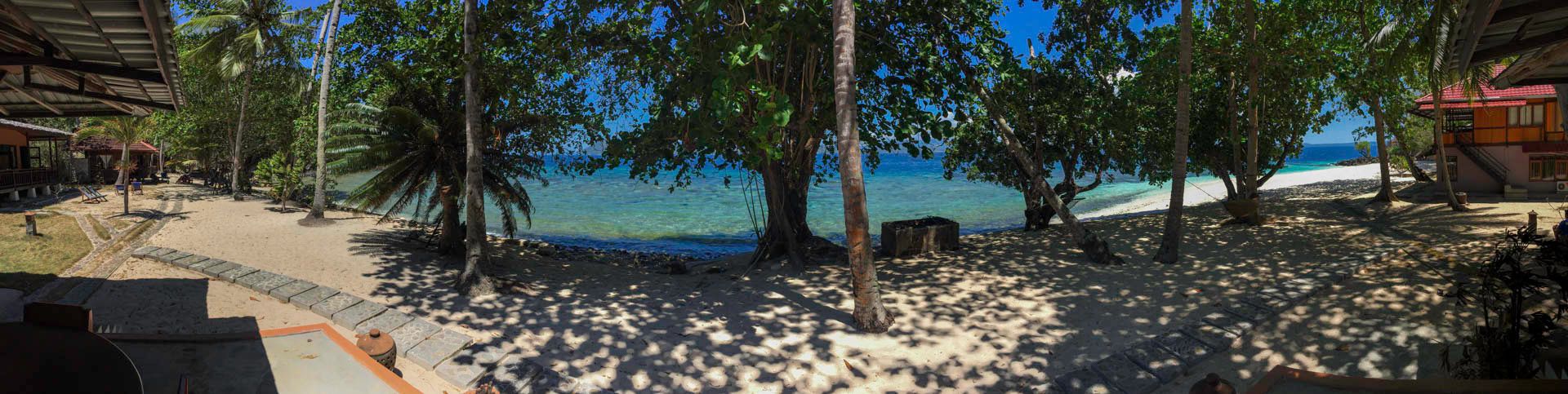
Murex Bangka is the more relaxed, island-escape expression of the destination. Set on a palm-fringed white sand beach, it leans into the idea of Bangka as a remote tropical retreat rather than a polished luxury product.
That is part of the charm. The experience feels intimate and low-key, with a small-island atmosphere, easy beach access, and enough comfort to make it a very appealing base for divers who care more about location, diving, and rhythm than unnecessary excess.
It suits travellers who want strong access to Bangka Island diving, a laid-back setting, and a resort that still feels connected to the island rather than separated from it.
Coral Eye
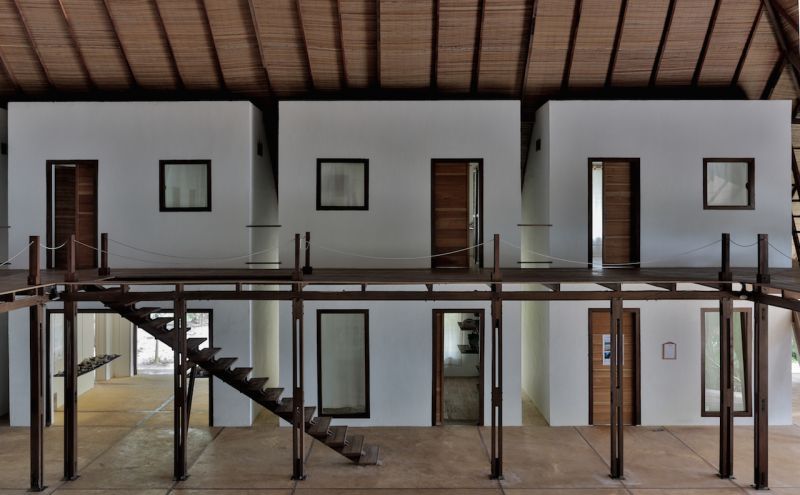
Coral Eye brings a very different personality to Bangka. Originally founded as a marine outpost, it still carries that reef-and-research identity, which gives the place a more thoughtful and distinctive feel.
Today it functions as a boutique dive resort where marine biology, diving, travel, and conservation overlap. That blend makes it especially attractive for travellers who want more than just accommodation. It feels like a place with context, not just a place to sleep between dives.
Coral Eye is a strong fit for divers, photographers, and more curious travellers who want Bangka’s reef beauty but also appreciate the educational and conservation side of the destination.
Getting there
The usual entry point for a Bangka Island dive trip is Manado International Airport in North Sulawesi. From Manado, most resorts coordinate a road transfer to the coast followed by a boat ride to the island.
For most international travellers, the easiest route is to connect through Bali or Jakarta and then continue onward to Manado. Once you land in North Sulawesi, resort-arranged transfers are by far the easiest option and remove a lot of the friction from the journey.
One of Bangka’s advantages is that it pairs naturally with Bunaken and Lembeh. If you are looking to build a more complete North Sulawesi dive itinerary, it is one of the easiest destinations to combine with other world-class diving in the same region.
Warm water, reef colour, and flexible seasonality
Diving in Bangka is possible year-round, but the most attractive windows are generally in the drier, calmer parts of the North Sulawesi season. Many divers favour roughly March or April through October, with conditions, wind, rain, and visibility shifting across the year.
Water temperatures are typically warm, though occasional cooler pockets and seasonal upwellings can appear, which is worth knowing if you are sensitive to temperature changes on longer or repetitive diving days.
November through March can bring more rain, more surface movement, and more variable visibility. That does not make the diving poor, but it does make the conditions less predictable. If your trip is heavily photography-focused, the calmer dry-season windows are generally the better bet.
A strong fit for photographers, repeat Indonesia travellers, and divers who value reef quality
Bangka is best suited to divers who appreciate healthy reefs, mixed-format diving, and a more relaxed island atmosphere. It is particularly good for underwater photographers who want both reef scenes and macro opportunity without committing the entire trip to one style of diving.
It also suits travellers who have already done one or two major Indonesia trips and want something that still feels special without feeling overbuilt or overexposed. Bangka has enough refinement to be comfortable, but it still feels like a destination rather than a tourism machine.
If your ideal dive trip includes white sand, colourful reef structure, a few genuinely excellent signature sites, and a quieter pace above the water, Bangka is a very compelling choice.
Bangka’s reef value is tied directly to conservation
One of the positive signs in Bangka is that conservation is not treated as an afterthought. The island’s reef systems are part of what makes the destination valuable in the first place, and there has been visible effort from operators in the area to support long-term protection.
The Bangka Conservation Fund emerged from that reality, with resorts working together to support both the community and the marine environment. The broader importance is simple: if Bangka is going to remain one of the stronger reef destinations in North Sulawesi, protection has to remain part of the model.
That matters for travellers. Healthy reefs, strong fish life, and beautiful dive sites are not static assets. They depend on good management, community support, and continued resistance to pressures that could damage the ecosystem over time.
Images from the trip
Want to experience this destination more deeply?
Explore upcoming trips or view a curated gallery of digital prints inspired by this destination.